
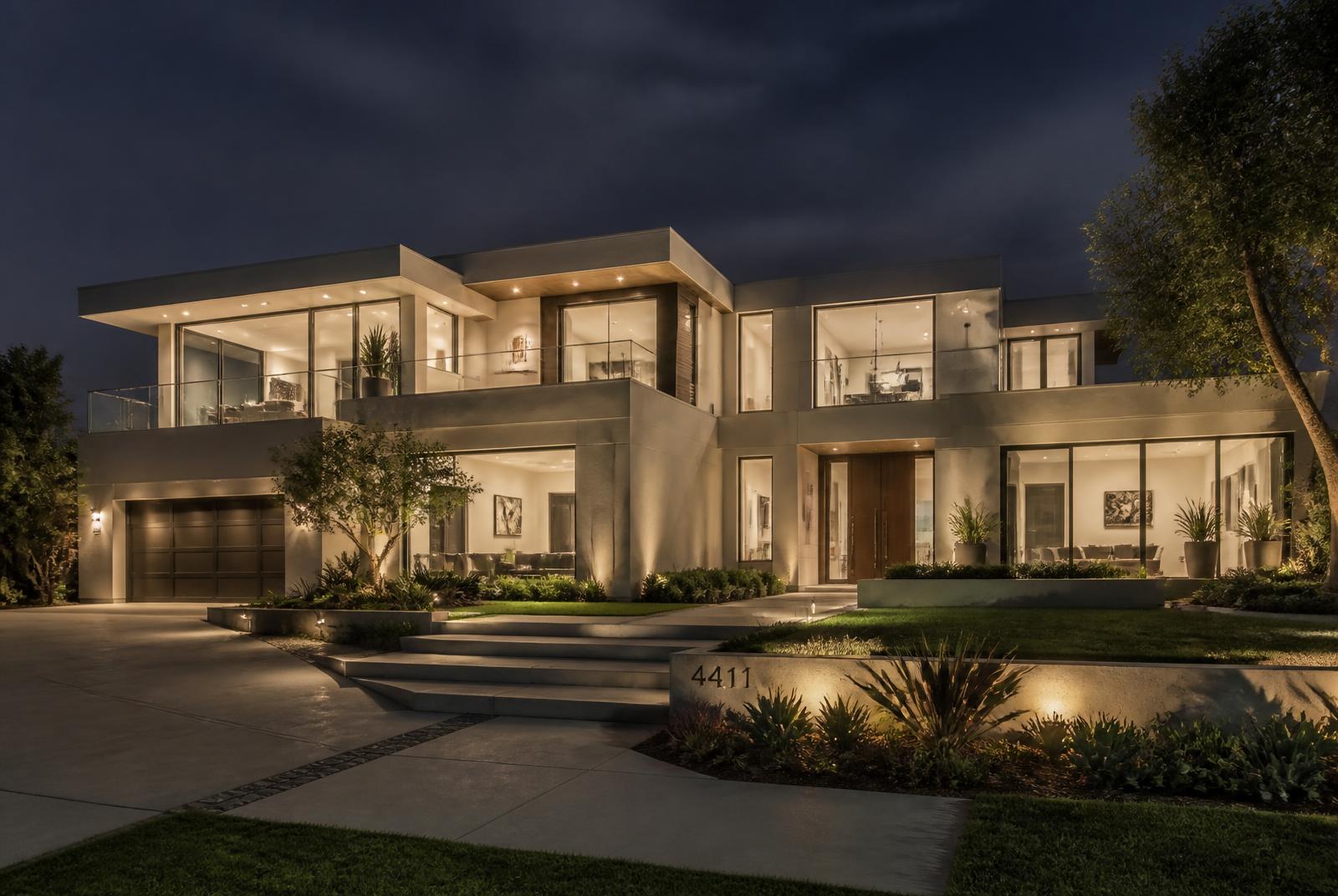
Texas · Coast to Ranch Country
Hurricane Resistant Homes in Texas
Custom new-build concrete residences engineered to withstand 200+ mph winds — with flood-resistant envelopes, fire resistance up to 2200°F, and a 100+ year design life across the Texas coast, Houston, Hill Country, and ranch country.
Resistance Is Engineered
Hurricane Resistance Is Engineered, Not Claimed
A Category 5 hurricane begins at 157 mph sustained wind. Aegis residences are built as monolithic reinforced concrete structures engineered to withstand 200+ mph — the wall, roof, and foundation acting as one continuous system rather than assembled layers.
The result is a residence that treats hurricanes, flooding, extreme heat, and fire as design inputs rather than risks to insure against.
Performance
What Makes a Texas Home Hurricane Resistant
Wind
Engineered to withstand 200+ mph winds
Monolithic reinforced concrete walls and roof systems are designed well beyond Category 5 thresholds, which begin at 157 mph on the Saffir-Simpson scale, with wind-borne debris resistance at openings.
Water
Flood-resistant building envelope
Concrete does not rot, swell, or delaminate. Elevated foundations, sealed assemblies, and non-organic wall cores allow a residence to be dried and returned to service after a water event.
Fire
Fire resistance up to 2200°F
There is no combustible structural framing. The concrete shell provides inherent fire resistance for both coastal and inland wildfire-exposed properties.
Heat
Up to 80% energy savings
A continuous insulated core paired with concrete thermal mass holds interior temperatures steady through Texas summers and reduces mechanical load year-round.
Security
Structural security by design
Solid concrete walls, reinforced openings, and optional interior reinforced spaces or vault rooms provide physical security wood framing cannot offer.
Longevity
100+ year design life
A structure intended to be inherited rather than replaced, with minimal maintenance and no exposure to termites, wood rot, or mold.
Construction
How Hurricane Resistant Concrete Homes Are Built
Structural concrete insulated panels form the walls and roof. Steel reinforcement is placed through the assembly and structural concrete is applied on both faces, curing into a single continuous shell with no combustible framing and no organic material to rot.
Openings are reinforced, roof-to-wall connections are continuous, and the foundation is engineered to the site — the three points where conventional homes typically fail in a storm.
Schedule a Private Consultation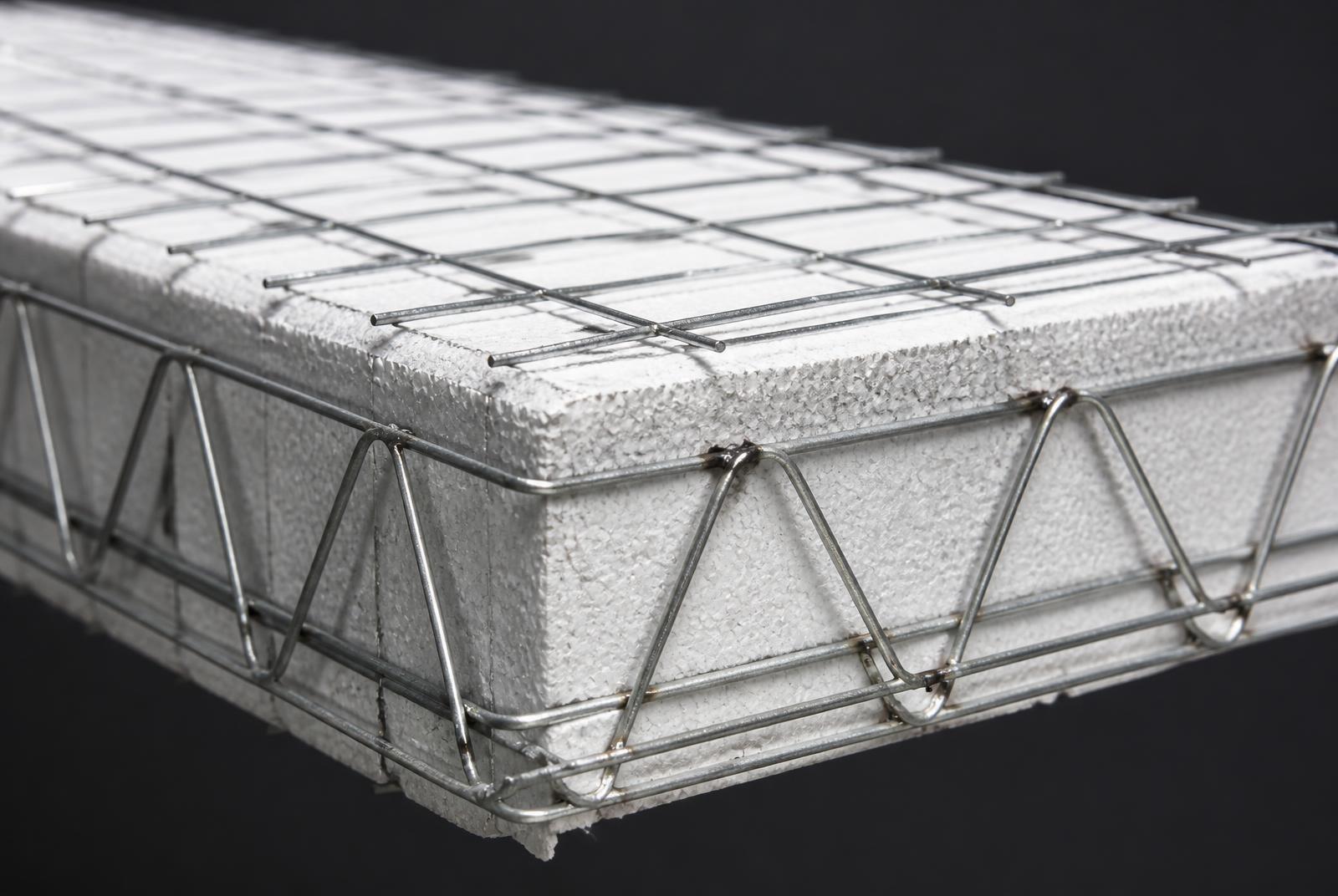
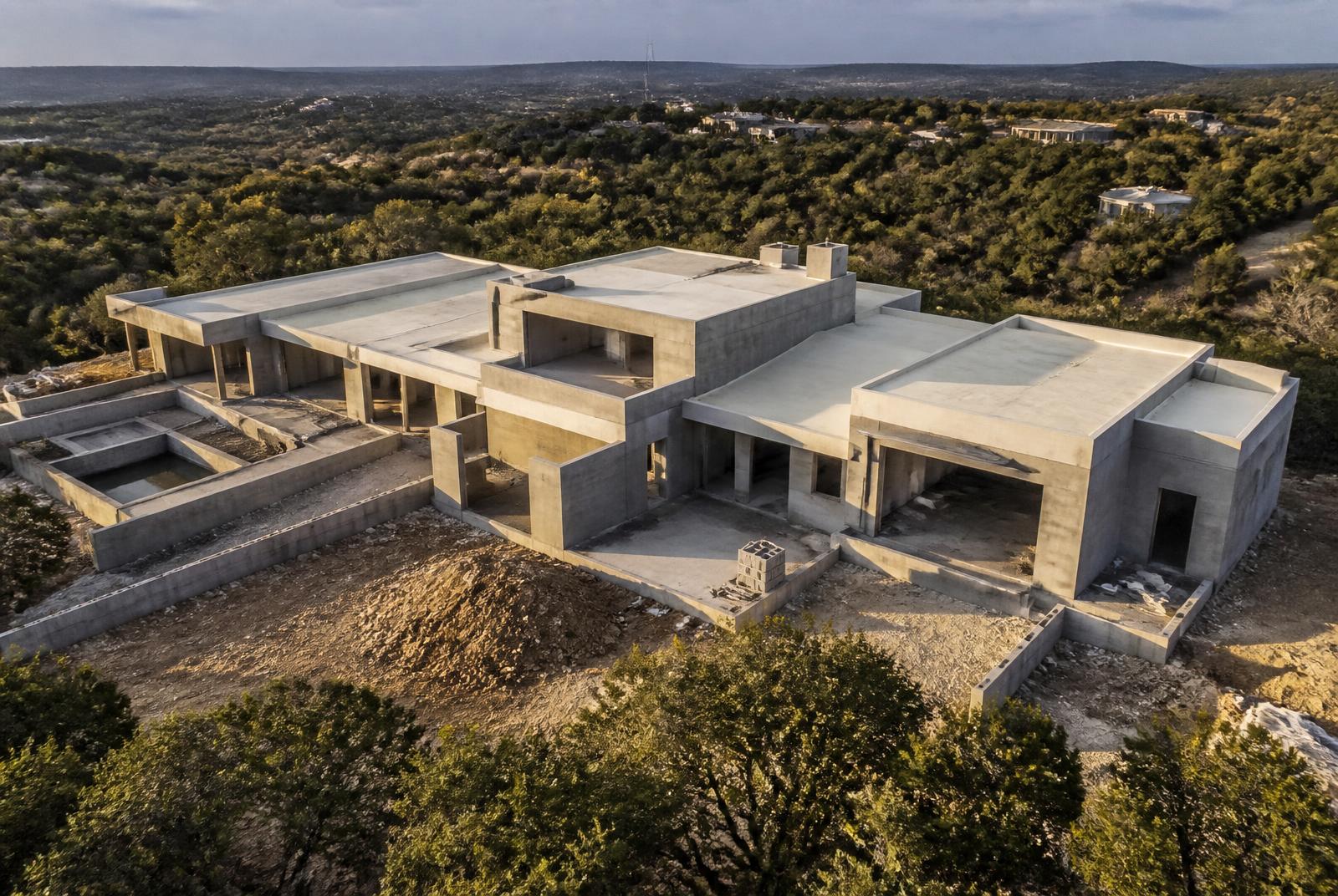
Where We Build
Hurricane Resistant Construction Across Texas
Gulf Coast & Barrier Islands
Galveston, Mustang Island, Port Aransas, Corpus Christi and Rockport — the highest wind-zone and surge exposure in the state.
Houston & Southeast Texas
Storm surge, sustained wind, and repetitive flooding drive design decisions in Harris, Fort Bend, Brazoria and Galveston counties.
Hill Country & Central Texas
Austin and San Antonio estates built for extreme heat, hail, and wildfire exposure as much as for wind.
North Texas & Ranch Country
Dallas–Fort Worth and private ranch properties where tornado-force wind, hail, and remoteness reward permanent structures.
Questions
Hurricane Resistant Homes in Texas: FAQ
For detailed planning ranges and cost factors, see our concrete house cost guide for Texas.
Hurricane Resistance Checklist
Score Your Home’s Hurricane Resistance
Select every statement that is true of your current or planned residence. Your tailored resilience score is calculated instantly.
Your Score
0/100
Conventionally Built
Your home relies primarily on framed construction. A new monolithic concrete residence changes the performance category entirely.
Send My Resilience ScoreReviewed confidentially. Scores are educational and not an engineering assessment.
Private Consultation
Request a Hurricane Resistant Home Consultation
Custom concrete residences beginning at $750,000. Every request is reviewed personally.
Build Once. Build It to Stand.
Every Aegis residence begins with a private conversation about your property, its exposure, and the home you intend to leave behind.
Schedule a Private ConsultationPerformance figures reflect engineered design targets for structural concrete residences and vary by design, site, and jurisdiction. Category 5 classification begins at 157 mph sustained winds on the Saffir-Simpson scale.